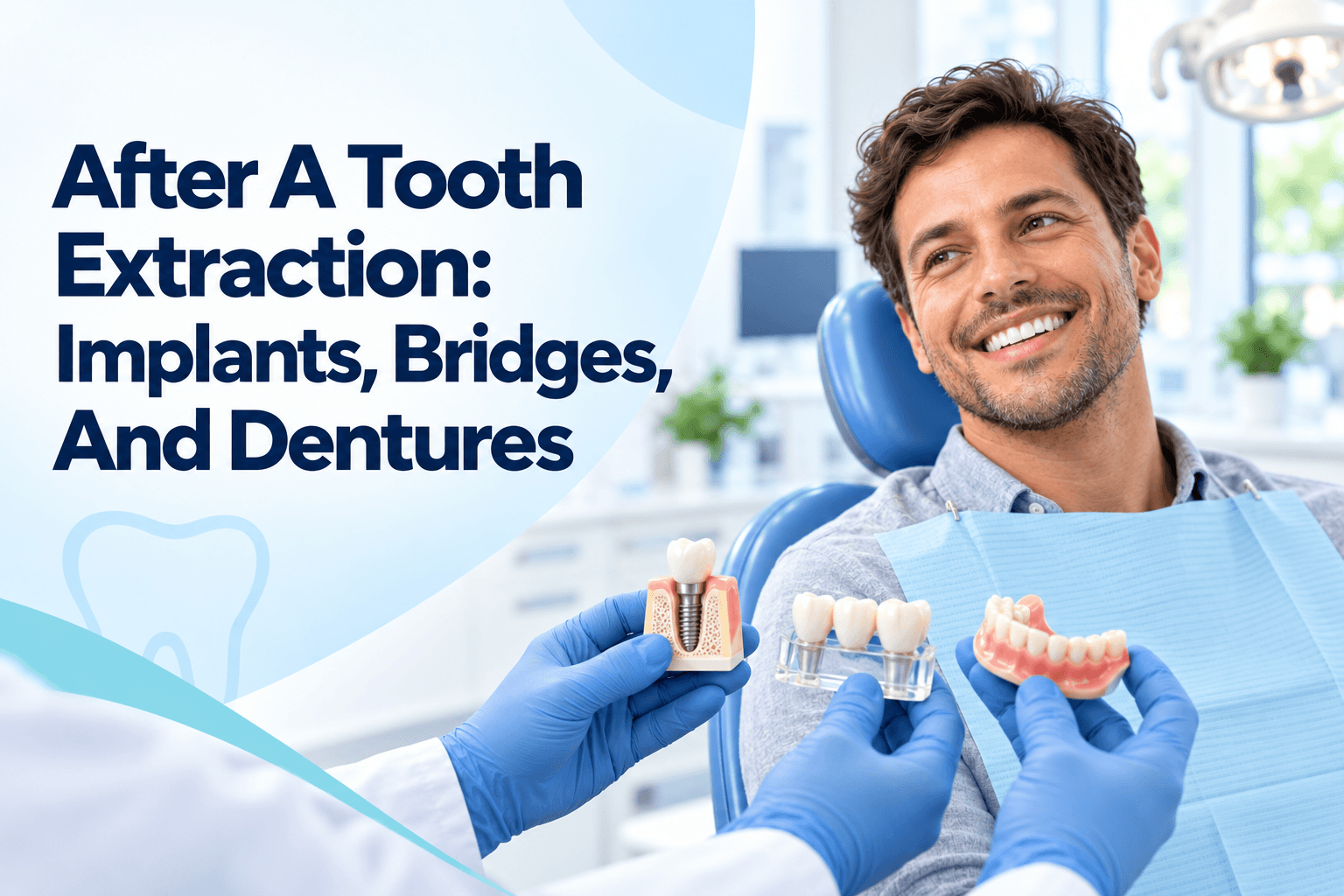


Dental implants are widely used to replace missing teeth because they provide a stable foundation for crowns, bridges, and certain dentures. They can restore chewing function, support a balanced bite, and create a natural-looking result.
Patients often ask how many years an implant can last before it requires attention. The answer depends on the implant fixture, the attached restoration, your oral health, and the care the implant receives throughout its service life.
How Long Can A Dental Implant Last?
A well-integrated dental implant may remain functional for several decades. Some implant fixtures last for the remainder of a patient’s life, though no dentist can guarantee that outcome for every person.
A 2026 systematic review and meta-analysis examined prospective studies with at least 20 years of follow-up. Researchers estimated a 93% implant survival rate at 20 years, which supports the potential for favorable long-term performance. Results still varied among patients and studies.
At Riverton Heights Dental Care, patients considering dental implants receive an evaluation of their teeth, gums, jawbone, bite, and health history. These findings help determine candidacy and identify factors that may influence long-term stability.
Which Parts Of An Implant May Need Replacement?
A complete implant restoration has several components. Each component performs a different job and may have a different maintenance schedule.
Implant Fixture
The implant fixture is the screw-shaped post placed within the jawbone. It is commonly made from titanium and serves as an artificial tooth root. After placement, the surrounding bone gradually integrates with its surface.
Abutment
The abutment connects the implant fixture to the visible restoration. It may occasionally loosen, wear, or require replacement, especially when strong chewing forces or grinding place repeated pressure on the restoration.
Final Restoration
The visible restoration may be a crown, bridge, or denture. It receives daily chewing pressure and regular contact with food, drinks, toothbrushes, and neighboring teeth. This portion commonly requires repair or replacement before a healthy implant fixture does.
| Implant Component | Primary Purpose | General Longevity |
|---|---|---|
| Implant fixture | Replaces the tooth root | May function for decades |
| Abutment | Connects the fixture and restoration | Can last many years |
| Crown, bridge, or denture | Restores the visible tooth or teeth | May wear or need replacement sooner |
These estimates are general. Material selection, restoration design, bite forces, daily habits, and clinical care all influence service life.
What Affects Dental Implant Lifespan?
Long-term implant health depends on the condition of the supporting tissues and the amount of stress placed on the restoration.
Gum And Bone Health
Healthy gum tissue creates a protective seal around the implant. The jawbone provides the support needed to keep the fixture stable.
Plaque accumulation may cause inflammation around an implant. Early inflammation is known as peri-implant mucositis. Progressive inflammation involving supporting bone is called peri-implantitis, which can threaten implant stability when it remains untreated.
Daily Oral Hygiene
Dental implants cannot develop cavities, though plaque and bacteria still collect around the restoration and gumline. Natural teeth beside an implant also remain vulnerable to decay and gum disease.
Daily brushing and cleaning between the teeth help protect the supporting tissues. Your dental team may recommend floss, interdental brushes, or a water flosser based on the implant’s location and restoration design.
Smoking And Health Conditions
Smoking can interfere with healing and contribute to complications around dental implants. Poorly controlled diabetes and certain medical conditions may also affect healing or increase the risk of inflammation.
Share your medical history, medications, tobacco use, and recent health changes with your dentist. This information helps the dental team plan appropriate care and monitoring.
Bite Pressure And Tooth Grinding
Implants must withstand the force created during biting and chewing. Back teeth generally receive more pressure than front teeth, and clenching or grinding can increase the load placed on the implant restoration.
A nightguard may be recommended when grinding is placing the crown, abutment, or surrounding teeth at risk. The bite should also be checked periodically because tooth movement, restoration wear, and dental treatment can change how the teeth meet.
Implant Placement And Restoration Design
The implant’s position, available bone, surrounding gum tissue, and final restoration all contribute to long-term performance. A 2025 consensus report from the American Academy of Periodontology and Academy of Osseointegration highlighted implant position, prosthetic design, and soft-tissue characteristics as important considerations for peri-implant health.
Careful planning helps distribute chewing forces and creates an implant restoration that patients can clean effectively.
Can The Crown Wear Out Before The Implant?
Yes. The implant fixture and the visible crown are separate components. A secure implant can remain in the jawbone when its crown becomes worn, chipped, loose, or cosmetically outdated.
Replacing an implant crown does not automatically mean the fixture has failed. The dentist can examine the fixture, abutment, bite, and surrounding tissues to determine which component needs care. Patients who need to restore several teeth may also explore custom dental crowns and bridges supported by natural teeth or implants.
How Can You Help Dental Implants Last Longer?
A consistent care routine can protect the implant and its supporting gum and bone tissues.
- Brush twice daily using a soft-bristled toothbrush.
- Clean around the implant every day using the recommended method.
- Attend regular dental examinations and professional cleanings.
- Avoid chewing ice and other objects that may damage the restoration.
- Wear a nightguard when prescribed for clenching or grinding.
- Avoid tobacco use.
- Keep diabetes and other health conditions properly managed.
- Report changes around the implant before they become more extensive.
Routine visits allow the dental team to assess gum health, plaque buildup, bite balance, restoration wear, and implant stability. Dental X-rays may be taken when clinically appropriate to examine the surrounding bone.
What Signs Should Be Evaluated?
An implant should be examined when you notice:
- Bleeding, swelling, or tenderness around the implant
- Gum recession near the restoration
- Persistent discomfort while chewing
- A crown that feels loose or uneven
- A change in how your teeth meet
- Food repeatedly collecting around the implant
- Chipping or roughness on the restoration
- Movement involving any part of the implant restoration
Movement of the implant fixture itself requires prompt attention. A loose crown or abutment also deserves evaluation because continued chewing may place additional stress on the components.
Planning Long-Term Implant Care In Riverton, Utah
Dental implant treatment involves more than replacing a missing tooth. It includes evaluating the full mouth, planning the restoration, maintaining healthy supporting tissues, and monitoring the implant after treatment.
Riverton Heights Dental Care provides comprehensive restorative dentistry for patients with damaged or missing teeth. Contact the office at 801-781-5784 to schedule an evaluation and discuss the expected lifespan, maintenance needs, and restoration choices associated with dental implant treatment.